What to Do About a Broken Garage Door Spring
Recognizing the Warning Signs
A broken garage door spring is one of those problems that tends to announce itself. You might hear a loud bang from the garage, or you go to open the door and it barely lifts off the ground. Sometimes the door jerks to one side as it moves, or it simply refuses to budge past a certain point. If you live in Hamilton Ohio and rely on your garage daily, this is the kind of issue that can throw off your whole morning routine.
The spring is the heart of the door's counterbalance system. When it snaps, the door becomes heavy and dangerous. The average residential garage door weighs between 130 and 150 pounds. Without a working spring, that weight is hanging from the cables and the opener. Trying to force it open can damage the garage door opener, bend the door track, or even cause the door to crash down unexpectedly.
How Springs Work in Your Garage Door
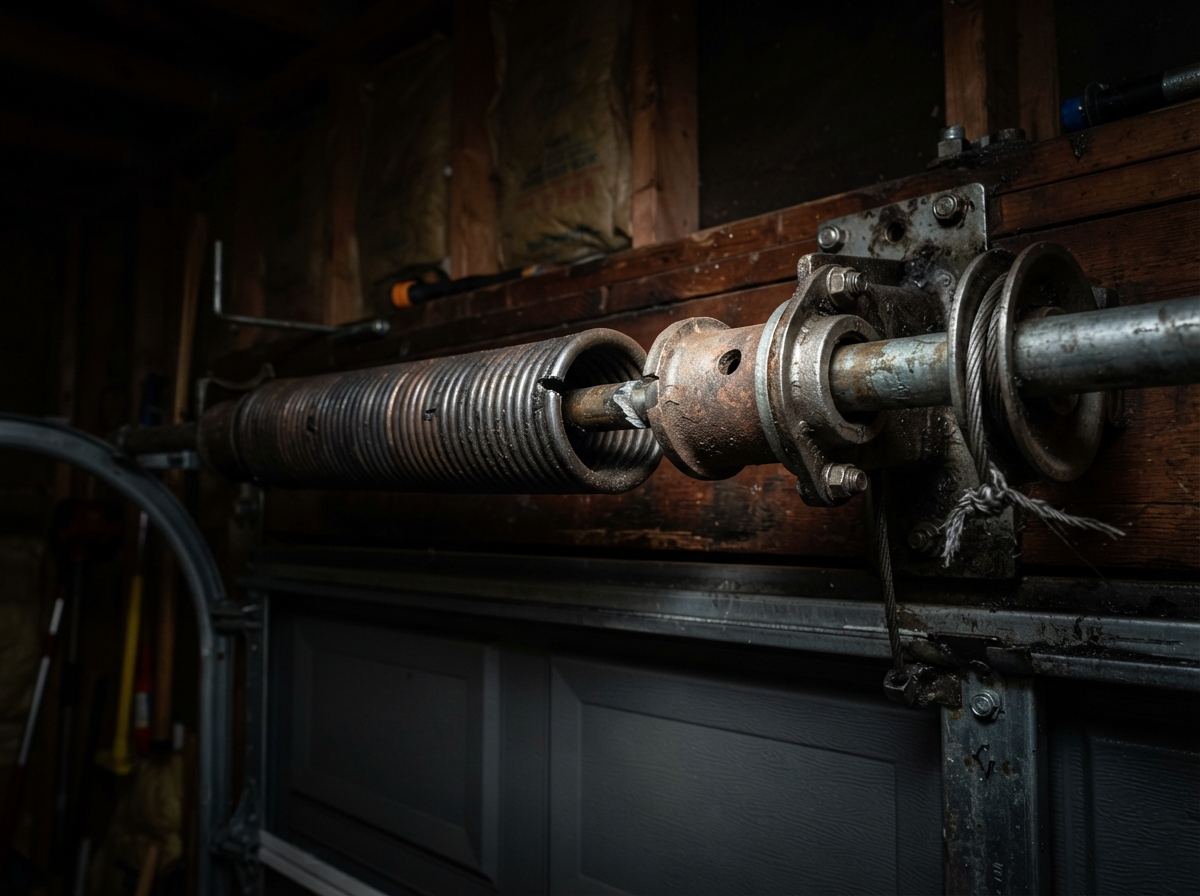
There are two common types of springs used on garage doors: torsion springs and extension springs. Torsion springs mount horizontally above the door opening. They twist as the door closes, storing energy that helps lift the door when you open it. Extension springs run along horizontal tracks on either side of the door, stretching as the door closes. Both types do the same job, but torsion springs are more common on modern doors and tend to last longer.
When a spring breaks, it's not just the spring itself that fails. The sudden release of spring tension can snap a garage door cable or pull a bracket loose from the wall. I've seen cases where a broken torsion spring sent the winding bars flying across the garage. That's why professionals always use C-clamps to lock the door in place before doing any work on the springs.
Why Springs Break
Springs wear out from repeated cycles of tension and release. A standard residential garage door spring is rated for about 10,000 cycles. If you open and close your door four times a day, that's roughly seven years of use. But real life is rarely that neat. Extreme temperatures, rust, poor lubrication, and manufacturing defects can all shorten a spring's life.
Another common cause is an off-track door. When a door comes off its track, it puts uneven stress on one side of the counterbalance system. The spring on the overloaded side can fatigue quickly and snap. I have seen an off-track door twist a torsion spring so badly that it had to be replaced along with the door track. Regular maintenance, like checking the garage door rollers and applying Lubriplate to the springs, can help prevent these failures.
What a Broken Spring Means for Your Door
Once a spring breaks, the door will not open evenly. One side might lift a few inches while the other stays on the ground. The door might also sit crooked in the opening, which can damage the door track or the garage door roller on the low side. In severe cases, the door can fall completely off its tracks.
If you have a commercial garage door, the stakes are higher. Commercial doors are heavier and use larger springs. A broken garage door spring on a commercial door can cause the entire door to drop suddenly. I once saw a warehouse door collapse onto a delivery truck because the spring snapped while the door was halfway up. The driver was lucky to be outside the truck at the time.
Safety First: What Not to Do
If you find a broken spring, do not try to lift the door manually. Without the spring, the door is extremely heavy. You might be able to lift it a few inches, but if your grip slips, the door can fall and crush anything underneath. Also, never operate the garage door opener when a spring is broken. The opener is designed to work with the spring's help, not against the full weight of the door. Running the opener with a broken spring can burn out the motor or strip the gears.
If the door is stuck in the open position, do not walk under it. The door might be held up only by the garage door cable and the opener's emergency release. If the cable snaps, the door can fall. I recommend using C-clamps on the track to hold the door in place if you need to get a car out. But for a permanent fix, you need spring replacement.
Assessing the Damage
Before you call a professional, it helps to know what kind of spring you have. Look at the spring itself. Torsion springs are mounted on a steel shaft above the door. Extension springs run along the horizontal tracks. If you see a broken spring, check the other spring too. Springs are sold in pairs, and if one broke, the other is likely close to failing. Replacing both at the same time saves labor and prevents a second breakdown a few months later.
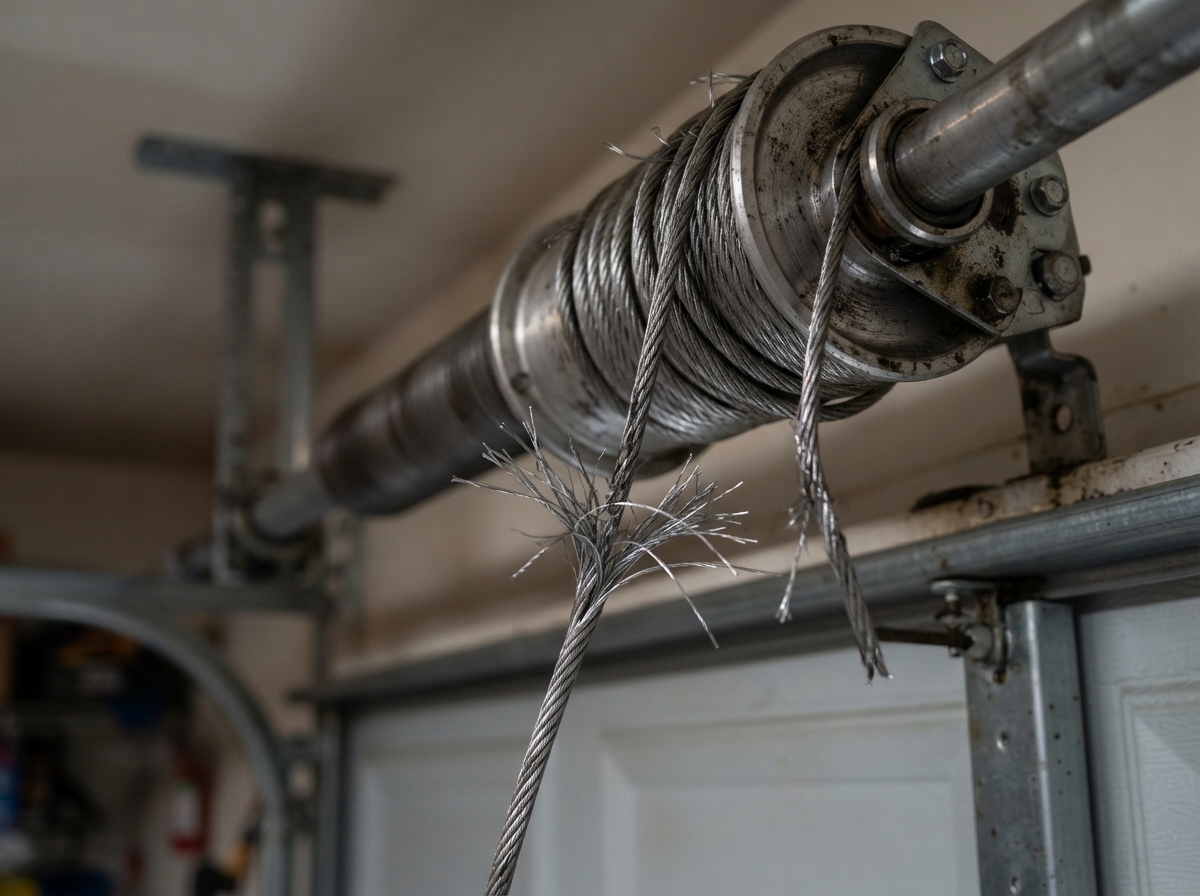
Also check the garage door cable. A broken spring can whip the cable around and fray it. If the cable looks worn, replace it during the same service call. The same goes for the safety cable that runs through the center of extension springs. That cable is there to catch the spring if it breaks, but a hard snap can break the safety cable too.
Professional Spring Replacement
Spring replacement is not a DIY job for most homeowners. The tension in a wound torsion spring is enough to break bones or worse. Professionals use winding bars to safely release and rewind the spring. They also have the right tools to adjust spring tension so the door balances correctly. A door that is not properly balanced will put extra strain on the garage door opener and may not close all the way.
When you hire a technician in Hamilton Ohio, they will bring the correct springs for your door's weight and height. Most residential doors use either Clopay or Wayne Dalton springs, but there are many brands. The technician will also check the door track, rollers, and cables to make sure everything else is in good shape. If you need parts like a new spring or cable, companies like American Garage Door Supply stock common sizes for both residential and commercial doors.
Preventing Future Breakage
After a broken spring is replaced, you can take steps to extend the life of the new ones. Lubricate the springs once a year with Lubriplate or a similar lithium-based grease. Do not use WD-40, which is a solvent, not a lubricant. Also check the spring tension periodically. If the door feels too heavy or too light when you lift it manually, the springs may need adjustment.
Keep an eye on the garage door opener as well. A worn opener can cause the door to jerk, which puts extra stress on the springs. If your opener is more than ten years old, consider replacing it when you do spring work. Modern openers have soft-start and soft-stop features that are gentler on the counterbalance system.

When to Call for Help
If you find a broken garage door spring, the safest move is to call a local garage door service. A professional can assess the entire system, replace the spring safely, and adjust the tension so the door works smoothly. In Hamilton Ohio, there are several reputable companies that specialize in residential and commercial repairs. They can handle everything from a simple spring replacement to a full door replacement.
A broken spring is not something to ignore. The longer you leave it, the more damage it can cause to the door, the tracks, and the opener. And trying to fix it yourself without the right tools and experience is dangerous. The cost of a service call is a small price for peace of mind and a door that works reliably every time.